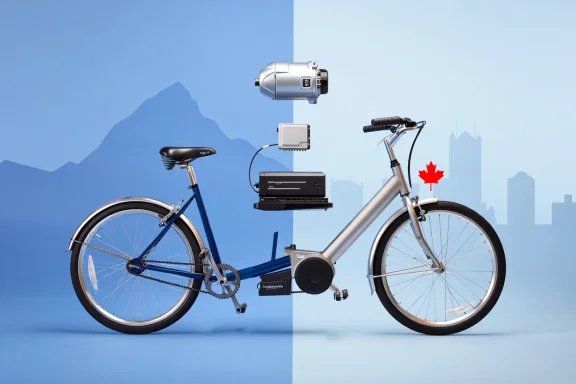
DIY Electric Bike Conversion: Is It Worth It?
The E-Bike Revolution Hits Canadian Driveways
Picture this: you’re staring at your trusty bike gathering dust in the garage while dreaming of cruising up those killer hills in Hamilton or powering through Toronto’s bike lanes without breaking a sweat. Before you shell out $3,000+ for a brand-new e-bike, there’s another option that’s got Canadian DIY enthusiasts buzzing – converting your existing ride to electric.
With e-bike sales jumping 40% across Canada in 2024 and conversion kits becoming more accessible, the question isn’t whether you can electrify your bike, but whether you should. Let’s break down the real costs, benefits, and challenges of going the DIY route in the Great White North.
The Financial Reality Check: Converting vs. Buying New
DIY Conversion Costs in Canada
A basic conversion kit runs anywhere from $400 to $1,500 CAD, depending on your ambitions:
Budget Options ($400-$700):
- Basic front wheel hub motor kits
- Limited range (20-30 km)
- Basic battery pack (36V, 10Ah)
- Perfect for short commutes or recreational rides
Mid-Range Solutions ($700-$1,200):
- Rear wheel or mid-drive motors
- Better range (40-60 km)
- Higher capacity batteries (48V, 14Ah)
- Improved performance on Canadian hills
Premium Conversions ($1,200-$2,000):
- High-torque mid-drive systems
- Extended range (60-80 km)
- Premium battery technology
- Weather-resistant components for harsh winters
New E-Bike Comparison
Quality e-bikes in Canada typically cost:
- Entry-level: $2,000-$3,500
- Mid-range: $3,500-$5,500
- Premium: $5,500-$8,000+
The Math: Converting your existing bike could save you $1,000-$4,000 compared to buying new. That’s a lot of Timbits, eh?
Pros That Make Canadian Cyclists Say “Beauty!”
Cost Savings That Actually Matter
Beyond the obvious price difference, conversions offer financial advantages that resonate with budget-conscious Canadians:
- Keep Your Favorite Ride: That vintage Norco or trusty Giant you’ve been riding for years stays in action
- Tax Benefits: In some provinces, conversion components qualify for the same rebates as complete e-bikes
- Incremental Upgrades: Start basic and upgrade components over time as budget allows
Technical Advantages for the DIY-Minded
Customization Freedom: Unlike off-the-shelf options, conversions let you:
- Choose motor placement based on your riding style
- Select battery capacity for your specific commute needs
- Maintain familiar handling characteristics of your existing bike
Learning Experience: Converting teaches you how e-bike systems work, making future maintenance and troubleshooting way easier.
Cons That’ll Make You Think Twice
Technical Challenges That Bite Back
Installation Complexity: While YouTube makes it look easy, reality hits different:
- Electrical connections require precision (especially in humid Ontario summers)
- Wheel building skills needed for hub motor installations
- Brake adjustments crucial for safety with added weight and speed
Compatibility Issues: Not all bikes play nice with conversion kits:
- Frame geometry affects motor placement
- Older bikes may lack mounting points for batteries
- Cheap bikes might not handle the additional stress
Winter Reality Check
Canadian winters are brutal on electronics. DIY conversions often lack:
- Proper weatherproofing for Maritime humidity
- Cold-weather battery management systems
- Corrosion protection for Prairie road salt
Professional e-bikes typically include these features standard.
The Technical Nitty-Gritty: What You Need to Know
Motor Types and Canadian Terrain
Hub Motors work great for:
- Flat Prairie rides
- Urban commuting in Vancouver or Toronto
- Riders wanting simple, reliable power
Mid-Drive Motors excel at:
- BC mountain trails
- Steep Maritime coastal roads
- Long-distance touring across varied terrain
Battery Considerations for Canadian Climate
Cold Weather Impact: Lithium batteries lose 20-30% capacity below -10°C. Choose:
- Higher capacity than you think you need
- Quality cells that handle temperature swings
- Removable batteries for indoor storage
Range Reality: Manufacturers’ range estimates assume perfect conditions. In Canadian reality:
- Headwinds on prairie highways
- Hill climbing in the Rockies
- Cold weather operation
- Actual range often 60-70% of advertised
Making the Decision: When It Makes Sense
Perfect Candidates for DIY Conversion
You Should Convert If:
- You have a quality bike worth preserving (mid-range or better)
- You enjoy mechanical projects and have basic tools
- Your riding needs are specific (unusual frame size, unique requirements)
- Budget constraints make new e-bikes unattainable
Skip Conversion If:
- Your bike is a department store special (invest in quality first)
- You want warranty coverage and dealer support
- Time is more valuable than money saved
- You need reliable daily transportation (can’t afford downtime during DIY learning)
Regional Considerations Across Canada
Urban Centers (Toronto, Vancouver, Montreal):
- Great shop support for parts and troubleshooting
- Bike theft concerns favor less expensive conversions
- Dense traffic benefits from responsive factory systems
Rural Areas:
- DIY skills more common and appreciated
- Longer distances favor higher-capacity custom builds
- Limited dealer support makes self-reliance valuable
Mountain Regions (BC, Alberta):
- Terrain demands quality mid-drive systems
- Professional installation often worth the cost
- Warranty coverage crucial for expensive components
The Bottom Line for Canadian Riders
DIY e-bike conversion isn’t just about saving money – it’s about creating exactly what you need for your Canadian riding conditions. While the financial savings are real ($1,000-$4,000), success depends on honest assessment of your technical skills and riding requirements.
For mechanically inclined riders with quality base bikes, conversion offers unmatched customization and value. But if you need reliable daily transportation or lack technical confidence, investing in a quality factory e-bike provides peace of mind worth the extra cost.
The sweet spot? Consider conversion for recreational bikes or second e-bikes, while buying proven systems for daily commuting needs.
Ready to electrify your ride? Start by honestly assessing your base bike, technical skills, and riding goals. The Canadian e-bike revolution has room for both DIY innovators and factory-fresh enthusiasts – the question is which path fits your journey best.